The Digital Divide: Why International Dentists Must Master Modern Technology
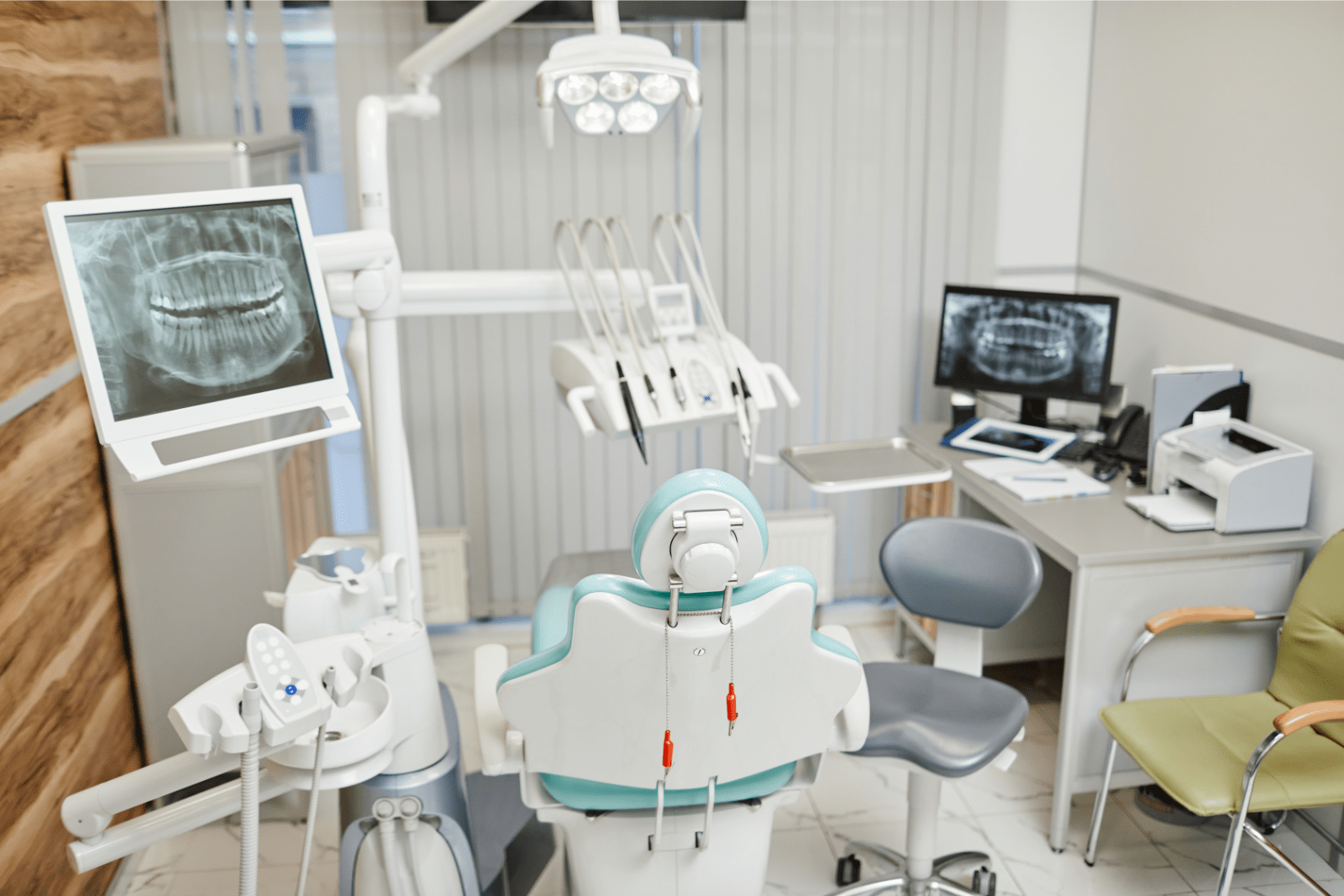
The American dental landscape has transformed dramatically in the past five years. Digital dentistry isn’t just an advantage—it’s becoming a requirement for competitive practice. International dentists who fail to adapt risk being left behind in an increasingly technology-driven profession.
The New Reality
Recent surveys show that over 70% of American dental practices now use some form of digital dentistry technology. Patients expect digital experiences, from online scheduling to same-day crown delivery. Employers prioritize candidates with digital skills, and practice owners see technology as essential for profitability.
For international dentists, this creates both challenges and opportunities:
The Challenge: Your dental education may not have included current digital technologies common in American practice.
The Opportunity: Mastering digital dentistry can differentiate you from other candidates and accelerate your career advancement.
Technology Areas That Matter Most
Not all dental technology carries equal weight in the job market. Certain digital skills are becoming essential for practice success:
Digital Impressions: Intraoral scanners are rapidly replacing traditional impression techniques in many practices.
CAD/CAM Systems: Same-day crown fabrication is no longer a luxury—it’s a competitive necessity in many markets.
3D Printing: From surgical guides to temporary restorations, 3D printing applications continue expanding.
Practice Management Integration: Modern practices rely on integrated digital workflows that connect clinical and administrative systems.
Teledentistry Platforms: Remote consultations and patient monitoring gained prominence during COVID-19 and continue growing.
The Investment Reality
Digital dentistry requires significant learning investment, but the returns are substantial:
Immediate Benefits:
- Increased employability and starting salaries
- Faster integration into American practice teams
- Enhanced patient satisfaction and practice efficiency
Long-term Advantages:
- Leadership opportunities in technology adoption
- Potential for practice ownership and growth
- Staying current with evolving practice standards
Common Learning Approaches (And Why Most Fail)
Many international dentists try to learn digital dentistry through:
- YouTube videos and free online content
- Equipment manufacturer training sessions
- Trial-and-error learning in practice settings
While these approaches provide basic familiarity, they often miss the integrated workflow understanding essential for practice success. Successful digital dentistry requires systematic training that connects technology with clinical applications and business outcomes.
The Strategic Learning Path
Effective digital dentistry education for international dentists should address:
Technology Selection: Understanding which systems offer the best learning and career opportunities.
Workflow Integration: Learning how digital technologies connect with existing practice operations.
ROI Understanding: Grasping the business case for digital dentistry investments.
Patient Communication: Explaining digital technologies and their benefits to patients.
Troubleshooting Skills: Developing competence in common technical challenges and solutions.
Staying Ahead of the Curve
Digital dentistry continues evolving rapidly. Artificial intelligence, advanced materials, and new fabrication technologies emerge regularly. International dentists who establish strong digital foundations position themselves for ongoing career success.
Ready to master digital dentistry? Our comprehensive Digital Dentistry & Technology program covers everything from basic digital workflows to advanced applications.